A Way, Not The Way
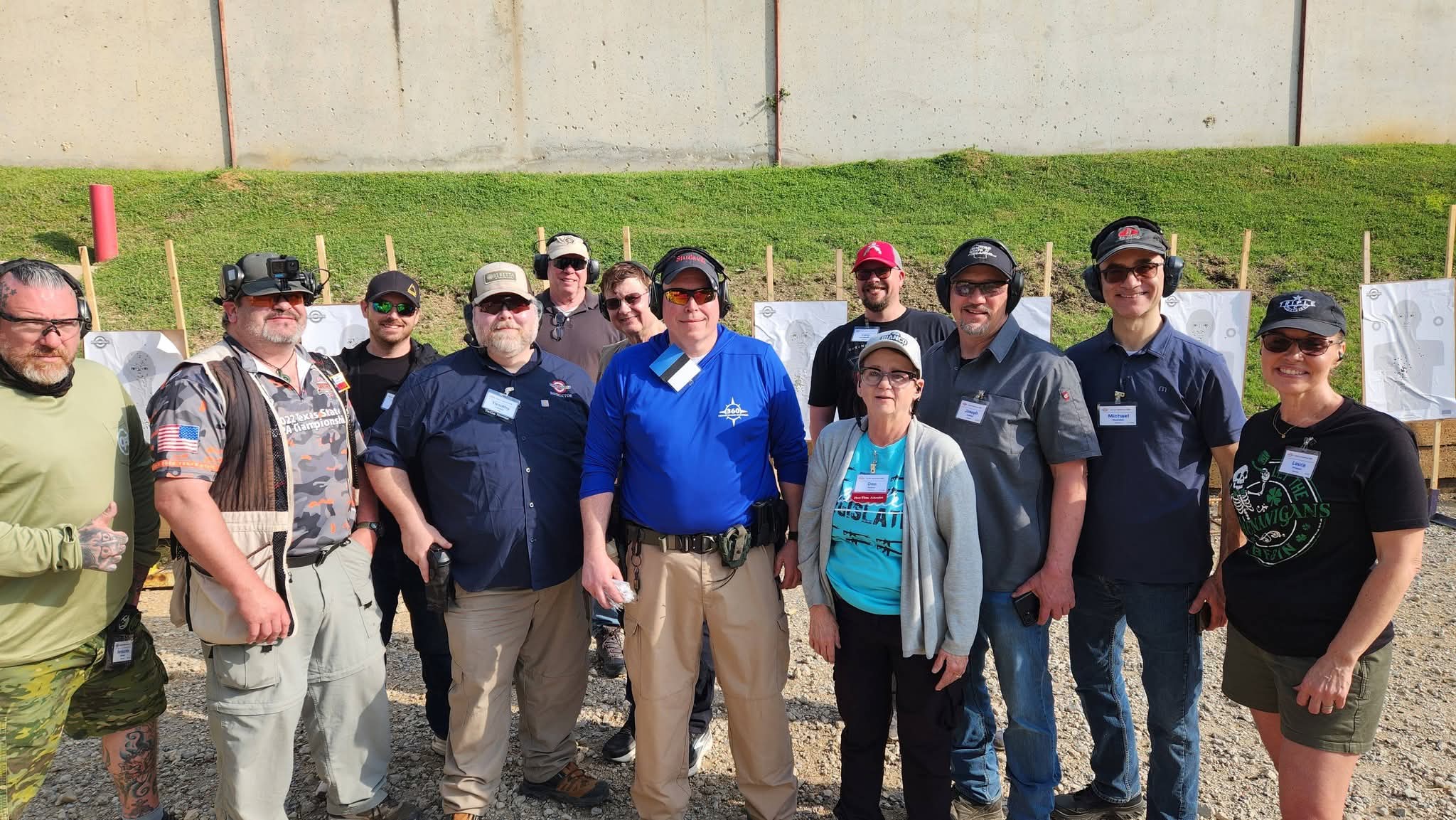
I’ve been putting more focus lately on my grip and recoil mitigation during my training, so when I saw the opportunity for recoil control classes at this year’s TacCon, I signed up for both to try to make sure I got into at least one. When I was assigned to both, I was excited to see how the different instructors (Ashton Ray, Tim Chandler, and Tim Kelly) would teach on the subject. While there were differences in how they presented the concepts, the concepts themselves were generally the same. That’s not entirely surprising, since controlling a pistol is largely about vision, physics, and leverage. Still, all three instructors led off by stressing that they weren’t teaching us the way, but rather a way. They were open to the fact that some of what they were teaching wouldn’t work for some of us; they simply asked that we keep an open mind, and give their way a good-faith shot.
Building The Foundation
While stance is important in shooting a pistol, I believe the grip is really the foundation that we shoot from. Stance can certainly aid in aiming and mitigating recoil, but you don’t hold the gun with your feet. In my experience, a poor grip leads to more issues with shooting a pistol than anything else, including aiming and trigger control. All three instructors echoed similar thoughts, as did other instructors throughout TacCon.
The first of the two classes was with Ashton Ray and Tim Chandler. They stressed building pressure front to back on the pistol with the firing hand, and pressure side to side with the support hand. To help illustrate how to grip with the firing hand, they demonstrated by gripping each student’s forearm. Tim Kelley and his assistant instructors did the same during the second class. I’ve had other instructors do the same thing, and I think it’s incredibly helpful. I can use words all day long to try and describe how I’m gripping the gun, but it’s much quicker and far more clear to simply let people feel how to grip it. The physical demonstration helps eliminate the ambiguity of “grip the gun hard,” or “grip firm,” or “grip with 50% strength.” Hard, firm, and 50% are all different for different people. Just let people feel what you mean.
Ashton and Tim also discussed building as much of the grip as close to your body as possible. They suggested that, if you’re able, you should get not only your firing hand grip but also your support hand grip before pressing the pistol out.
Use The Big Muscles
All three instructors focused heavily on the fact that your grip is more than just the pressure you exert with your hands; you should also be using the larger muscles in your back, chest, and upper arms. To do this, all three recommended stopping the presentation short of your elbows being extended. Ashton and Chandler demonstrated this by pointing out that you generate more pressure from pressing your hands together the closer they are to your body.
Tim Kelly also described the press out as being similar to throwing a punch. If you throw a punch properly, your thumb rotates inward, pointing horizontally or even rolling down past horizontal at extension. Kelly said we should be doing similar actions with both our hands as we press the gun out. He did stress, though, that you should not overdo or exaggerate rolling the wrists in and the elbows up; just apply some extra pressure with inward rotation of the hands, but don’t roll so hard that you peel your grip off the gun.
Common Themes
The biggest takeaway from both classes for me was that I’m likely not gripping the gun with enough pressure, and I’m definitely not using all the muscle groups that I could be. I’ve already started playing around with different pressures and positions of my hands and the pistol at extension. I saw significant improvement over the TacCon weekend in how the pistol was tracking under recoil just from the initial changes that I made after each of these classes, so I am excited to see what kind of results I get from fully developing a better grip on the pistol.
Train with pressure.

